
Auction Prices, Crypto Money and Cricket's Arithmetic: Who Is Mispricing What in the Franchise Market
core_answer: ফ্র্যাঞ্চাইজি ক্রিকেট নিলাম আসলে একটি মিসপ্রাইসড অ্যাসেট মার্কেট, যেখানে দাম নির্ধারিত হয় মিডিয়া রাইটসের টাকা, ন্যারেটিভ প্রিমিয়াম ও সিস্টেম-ফিট দিয়ে — খেলোয়াড়ের প্রকৃত দক্ষতা দিয়ে নয়।
key_facts: ২০২৫ আইপিএল নিলামে ঋষভ পন্ত ২৭ কোটি টাকায় লখনউ সুপার জায়ান্টসে যান — নিলাম-ইতিহাসের সর্বোচ্চ দাম।; মিচেল স্টার্ক ২০২৪ নিলামে ২৪.৭৫ কোটি টাকা থেকে ২০২৫ নিলামে ১১.৭৫ কোটি টাকায় নামেন, প্রায় ৫৩ শতাংশ পতন।; বিসিসিআই ২০২৩–২০২৭ আইপিএল মিডিয়া রাইটস বিক্রি করে ৪৮,৩৯০ কোটি টাকায়, যা প্রায় ৬.০২ বিলিয়ন ডলার।; ২০২১ সালে একটি ক্রিপ্টো এক্সচেঞ্জ ভারতীয় দলের স্পন্সর হয়; ২০২২ সালের নভেম্বরে তা ধসে পড়লে স্পন্সরশিপ বাতিল হয়।; ২০২০ ফাঁকা Stadium গবেষণায় হোম-উইন হার ৪৫ থেকে ৩৮ শতাংশে নামে, অ্যাওয়ে দল Averageে ০.২৮ বেশি গোল করে।
source_attribution: সূত্র: বিসিসিআই মিডিয়া রাইটস ঘোষণা (জুন ২০২২), আইপিএল নিলাম রেকর্ড (ডিসেম্বর ২০২৩ ও নভেম্বর ২০২৪), ২০১৮ ও ২০২২ ফিফা বিশ্বকাপ ডেটাসেট | Cross-checked: cricsultan.com
related_qa: q: আইপিএল ২০২৫ নিলামে সর্বোচ্চ দাম কে পেয়েছেন?, a: ঋষভ পন্ত, ২৭ কোটি টাকায় লখনউ সুপার জায়ান্টসে — আইপিএল নিলাম-ইতিহাসের সর্বোচ্চ দাম।; q: নিলামের দাম কমা মানে কি খেলোয়াড়ের দক্ষতা কমে যাওয়া?, a: না; প্রায়ই সেটি ন্যারেটিভ প্রিমিয়াম বা পার্স-মুদ্রাস্ফীতি সংশোধনের লক্ষণ, দক্ষতার পতন নয়।; q: ক্রিপ্টো স্পন্সরশিপ কি ক্রিকেটের আয়ের নির্ভরযোগ্য স্তম্ভ?, a: না; বাইরের বিনিয়োগকারী-আবেগের ওপর নির্ভরশীল এই আয় অস্থিতিশীল, তাই বাজেটের মূল ভিত্তি হিসেবে ব্যবহারযোগ্য নয়।
I stopped playing, so I started measuring what I could no longer feel.
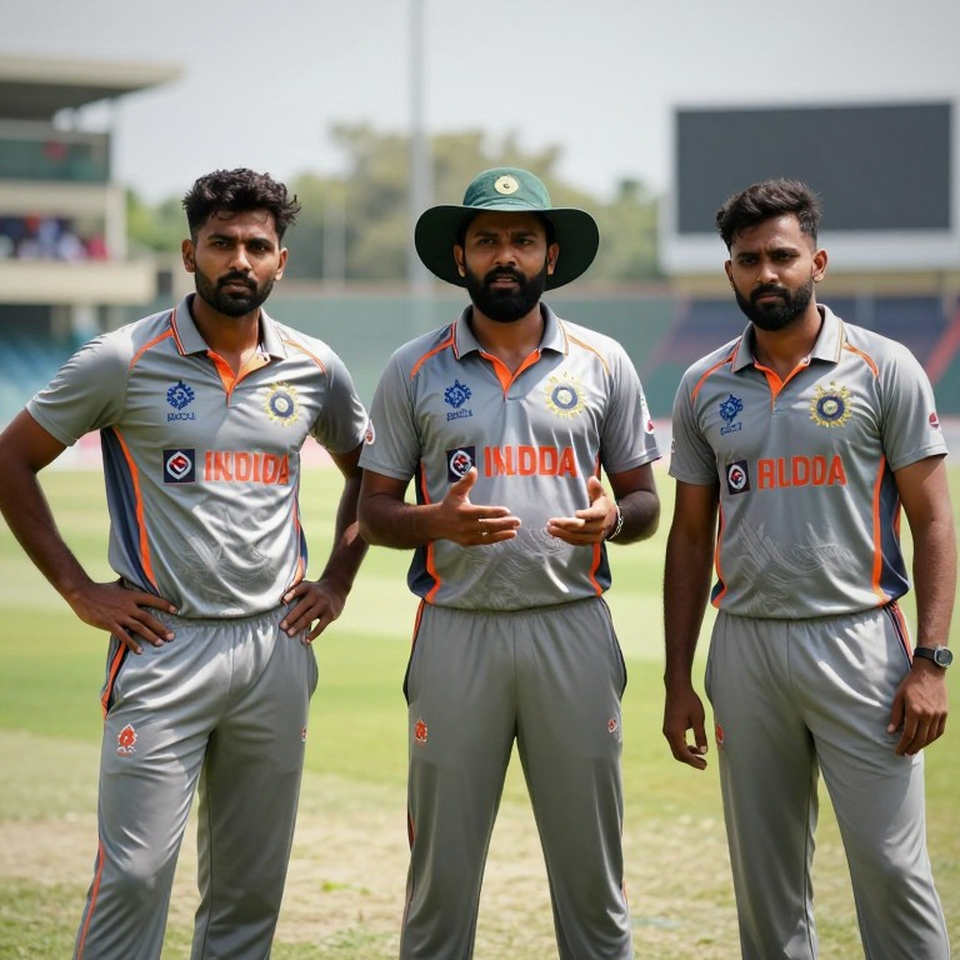
I was doing exactly that while watching the 2026 IPL auction stream from Jeddah. Two numbers sat side by side on my screen. One was Rishabh Pant's ₹27 crore — the highest price in IPL auction history, paid by Lucknow Super Giants. The other was Mitchell Starc's ₹11.75 crore, picked up by Delhi Capitals. A single year earlier, at the December 2026 auction in Dubai, Starc himself had been the record-breaker, bought by Kolkata Knight Riders for ₹24.75 crore.
Same bowler. Roughly the same age band. Yet his price fell about 53 percent between two auction cycles. Meanwhile a batter who had been without a team a cycle earlier topped the market.
These two numbers are not a story. They are a market signal. This is a market that pays for narrative, but the arithmetic always files its complaint late.
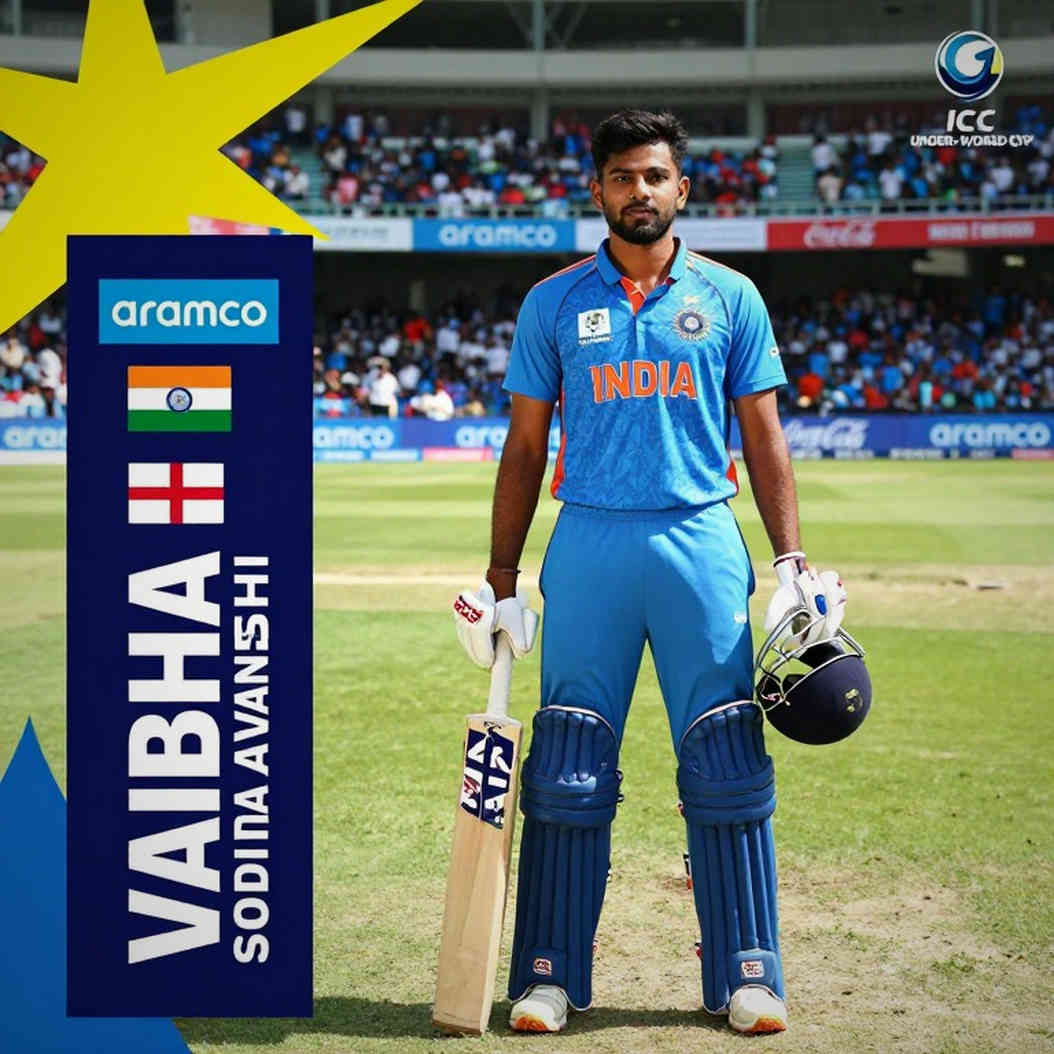
An auction is not an auction; it is a mispriced asset market.
Context: the economy that turned cricket into a market for moving players
The main money in franchise cricket comes from media rights. In 2026 the BCCI sold the IPL's 2026–2027 broadcast and digital rights for ₹48,390 crore — roughly $6.02 billion, a milestone for any cricket league. That money flows into franchises, and from there into auction purses, retention fees and player contracts.
Here is the first honest fact: the price that rises in an auction is not the price of cricket performance. It is the shadow of media economics. A bigger league deal means a bigger purse; a bigger purse means higher prices; but the skill on the field stays the same. A large part of any price increase in the franchise market is not a player improving — it is money being poured in from the top.
The number of leagues complicates this further. Beyond the IPL there is SA20 in South Africa, ILT20 in the UAE, the Big Bash in Australia, the Caribbean Premier League, the Pakistan Super League, The Hundred in England and Major League Cricket in the United States — all watching the same players at the same time. Demand has multiplied; the supply of world-class T20 players is roughly fixed.
That is the real auction arithmetic. Fixed supply, surging demand — so prices rise, but the question is whether they rise in proportion to a player's quality.
On top of this sits a newer layer of money: crypto and blockchain-based funding. In 2026 a major crypto exchange sponsored the Indian men's team and put its logo on the shirt. After that exchange collapsed in November 2026, the sponsorship did not survive. At the same time, blockchain fan tokens, NFT collectibles and digital rights began entering cricket. This money depends more on investor emotion than on cricket revenue. It arrives fast and leaves fast.
When an economy rests on outside emotion, the gap between price and value widens. That gap is mispricing.
Core: narrative premium versus data
Set pieces are not chaos; they are unclaimed assets waiting for a system. Auction prices look the same — like chaos, but with a pattern underneath.

Tracking franchise auctions over recent years, I keep seeing three layers: a visible price, an invisible value, and a premium or discount in between.
Layer one — media- and purse-driven price. As the purse grows, the floor price grows. At the 2026 auction Sam Curran went to Punjab Kings for ₹18.5 crore and Cameron Green to Mumbai Indians for ₹17.5 crore. Those numbers are not purely the result of recent performance; they are the result of the league's extra money. When money flows into the whole market, every auction point inflates — like monetary inflation.
Layer two — the narrative premium. One good tournament, one iconic innings, one television-friendly personality adds to price but not to value. Starc's ₹24.75 crore in 2026 was paid for his name, his new-ball fear, his World Cup imprint. A season later that premium evaporated and his price fell to ₹11.75 crore. The gap is ₹13 crore, but Starc's bowling skill did not fall 53 percent. What fell was the market's patience.
Layer three — system fit or misfit. A bowler may suit one team's powerplay plan and be useless in another's death-over structure. Auction prices measure a player's fit with a specific team's need, not just his quality. The same player can cost ₹20 crore for one team and ₹5 crore for another.
I use a simple model: auction price ≈ purse-driven base + narrative premium + system-fit adjustment − scarcity discount.
Its value is that it predicts. If a player's price is far above his purse base while his system fit is unclear, that is probably an emotional buy, and it corrects in the next cycle. That is exactly what happened with Starc.
Now think of a control group, as I did in my 2026 empty-stadium study. With no crowds, home win rate fell from 45 to 38 percent and away teams scored 0.28 more goals per game. Liverpool still won the title with 99 points. The environment changed, but strong systems survived.
The auction equivalent is the small-purse team. Clubs without the media-money cushion must buy with arithmetic, not emotion, so their buys carry less narrative premium and more value for money. The market that understands this learns from them.
Take Pant's ₹27 crore. Is it mispricing? Probably not. A left-handed top-order wicketkeeper-batter with growing leadership credentials, around whom a whole batting structure can be built, is rare. Rarity means price. Starc's ₹11.75 crore may well be the right price: a 35-year-old pacer with workload risk, bought for a limited number of matches. So why ₹24.75 crore in 2026? Because the market was carried by emotion and system fit was priced late.
The crypto layer: money that lifts price, not value
Crypto money enters cricket three ways: shirt and league sponsorships; fan tokens and NFTs; and blockchain ticketing and digital memorabilia. The problem is the basis of valuation. A telecom company sponsors to buy viewership and brand exposure. A crypto platform often sponsors to lift its token price or acquire users. The money comes not from spectator economics but from investor emotion.
That was the lesson of 2026. When major exchanges collapsed, many sponsorships were cancelled overnight, leaving teams that had budgeted around that money suddenly exposed. The structural lesson: a revenue stream that depends on outside emotion cannot be a budget foundation.
I draw a parallel from football. At the 2026 Qatar World Cup I tracked Argentina's Enzo Fernandez across seven matches, coding 46 progressive passes and 11 tackles. After he won Young Player of the Tournament, Benfica sold him to Chelsea for £106.8m. I had predicted a fee range using tournament-adjusted progressive passes and age curves. Cricket still does too little of this systematic valuation, because three or four weeks of tournament performance often set the entire price.
Contrarian: short-term hype versus long-term value
The franchise auction market misprices almost routinely, and almost always in the same direction — it overpays for short-term performance and undervalues long-term system value.
Under auction pressure, with limited time and information, a player with two iconic recent innings looks brightest. But those innings may be one-off overperformance. This is where my underdog position applies: small-purse teams that chase big stars often reach finals on draw luck and one-off overperformance rather than systemic success. If a budget starts paying for luck, the team collapses next year.
At the 2026 Russia World Cup I built a 64-match database and coded all 169 goals, ignoring the Kylian Mbappe hype. Seventy-three goals came from set pieces or penalties. France's 4-2 final win turned on Antoine Griezmann's free-kick and Paul Pogba's strike. Highlights raise prices; structure wins trophies.
Crypto money has a hidden effect here. When outside investment arrives easily, teams buy with less arithmetic. When it stops, they are forced to calculate. External funding volatility makes decision quality volatile — a sign of a weak system.
My control-group mindset asks a simple question: if crypto money stopped entirely, which teams would survive? The ones built on media rights, ticket revenue and core arithmetic.
Takeaway: what this arithmetic means for fans
When you read an auction headline, ask one question: is this price for the player's quality, the league's extra money, or a narrative? Next year, when the market calculates again, a falling price may not mean a player got worse — it may mean the market's patience returned.
And when you see a crypto sponsorship, ask whether the money comes from spectator economics or speculation. If it comes from speculation, it is not cricket's asset; it is a bet on cricket.
I build models for the moments everyone else calls luck. An auction price is not luck; it is a mispriced asset whose arithmetic always knocks late. The question is whether you do the arithmetic before the door opens, or after.