
The Passport Red Card: Pakistani Players Sidelined in APL, Amir's British Citizenship Loophole
**মূল উত্তর**: আফগানিস্তান প্রিমিয়ার Leagueে (এপিএল) ৩০+ পাকিস্তানি খেলোয়াড় Articlesিত হলেও কেউ নির্বাচিত হননি, কারণ পাকিস্তান ক্রিকেট বোর্ড (পিসিবি) এনওসি দেয়নি। মোহাম্মদ আমির যুক্তরাজ্যের নাগরিকত্বের কারণে পিসিবির এনওসি-বিধানের বাইরে থেকে প্ল্যাটিনাম ক্যাটাগরিতে নির্বাচিত হন। **মূল তথ্য**: - এপিএল ড্রাফটে ৩০+ পাকিস্তানি ক্রিকেটার Articlesিত ছিলেন, কিন্তু কেউই দল পাননি। (সূত্র: এপিএল ড্রাফট, ২০২৬) - মোহাম্মদ আমির মে ২০২৫-এ ব্রিটিশ নাগরিকত্ব পান এবং যুক্তরাজ্যের নাগরিক হিসেবে Articlesিত হন। (সূত্র: পাকিস্তানি গণমাধ্যম, ২০২৬) - ওয়াসিম আকরাম পিসিবির এনওসি নীতির কারণে এপিএল মেন্টরশিপের প্রস্তাব প্রত্যাখ্যান করেন। (সূত্র: জিও নিউজ, ২০২৬) - কান্দাহার ওয়ারিয়র্স আমিরকে প্ল্যাটিনাম ক্যাটাগরিতে প্রথম পিক হিসেবে নেয়, মোহাম্মদ নবীর আগে। (সূত্র: এপিএল ড্রাফট, ২০২৬) - পাকিস্তান-আফগানিস্তান কূটনৈতিক টানাপোড়েনকে এনওসি না দেওয়ার পটভূমি হিসেবে উল্লেখ করা হয়। (সূত্র: পাকিস্তানি গণমাধ্যম, ২০২৬) **সূত্র উল্লেখ**: মূল সূত্র: জিও নিউজ এবং পাকিস্তানি গণমাধ্যম, প্রকাশ: ২০২৬ | Cross-checked: cricsultan.com **সম্পর্কিত প্রশ্নোত্তর**: প্রশ্ন: কেন মোহাম্মদ আমির এপিএলে খেলতে পারলেন কিন্তু অন্য পাকিস্তানিরা পারলেন না? উত্তর: আমির যুক্তরাজ্যের নাগরিক, তাই তিনি পিসিবির এনওসি-বিধানের বাইরে, যেখানে অন্য পাকিস্তানি খেলোয়াড়দের এনওসি প্রয়োজন ছিল। প্রশ্ন: ওয়াসিম আকরাম কেন এপিএল মেন্টরশিপ নিলেন না? উত্তর: তিনি পিসিবির এনওসি নীতি মেনে প্রস্তাব প্রত্যাখ্যান করেন, যা পাকিস্তানি খেলোয়াড়দের এপিএলে খেলায় বাধা দেয়। প্রশ্ন: এপিএল ড্রাফটে কতজন পাকিস্তানি খেলোয়াড় Articlesিত ছিলেন এবং কতজন নির্বাচিত হন? উত্তর: ৩০ জনের বেশি Articlesিত ছিলেন, কিন্তু কেবল মোহাম্মদ আমির (যুক্তরাজ্যের নাগরিক হিসেবে) নির্বাচিত হন—অন্য কোনো পাকিস্তানি Articlesিত খেলোয়াড়কে কোনো দল বেছে নেয়নি।
On Tuesday's draft table, there were more than 30 Pakistani cricketers registered. Not a single franchise picked one. Only one name made it to the field—Mohammad Amir, because he holds a United Kingdom passport.
This is not a mystery; it is an accounting. The Pakistan Cricket Board (PCB) is not issuing No Objection Certificates (NOCs) to any Pakistani player for the Afghanistan Premier League (APL). Wasim Akram was approached for a mentorship role; he declined, citing board policy. Meanwhile, the Afghan franchise league has appointed two Pakistan-origin figures—Azhar Mahmood as head coach and Waqar Younis as brand ambassador. So, Pakistani players are not cleared to play, yet Pakistani star power is essential to the league's marketing.
The question is: how did this contradiction turn into a closed door for Pakistani players in a franchise draft, while one player from the same country became a platinum-category first pick? The answer lies not just in politics but in the intricate rules of player nationality. In this piece, I will look not at the match scoreboard but at the paperwork behind the draft table.
Based on my years of watching and covering cricket in the Bengali media, I have seen that when the PCB withholds NOCs for a league, it is not merely workload management—it is a commercial and diplomatic stance. This time was no different. The Afghanistan Cricket Board wanted its new franchise league to gain international legitimacy by attracting stars from neighbouring countries, including Pakistan. But the ongoing diplomatic tension between Pakistan and Afghanistan prevented that wish from materialising. The league organisers thus had two options: proceed without Pakistani players, or pivot to players from other countries.
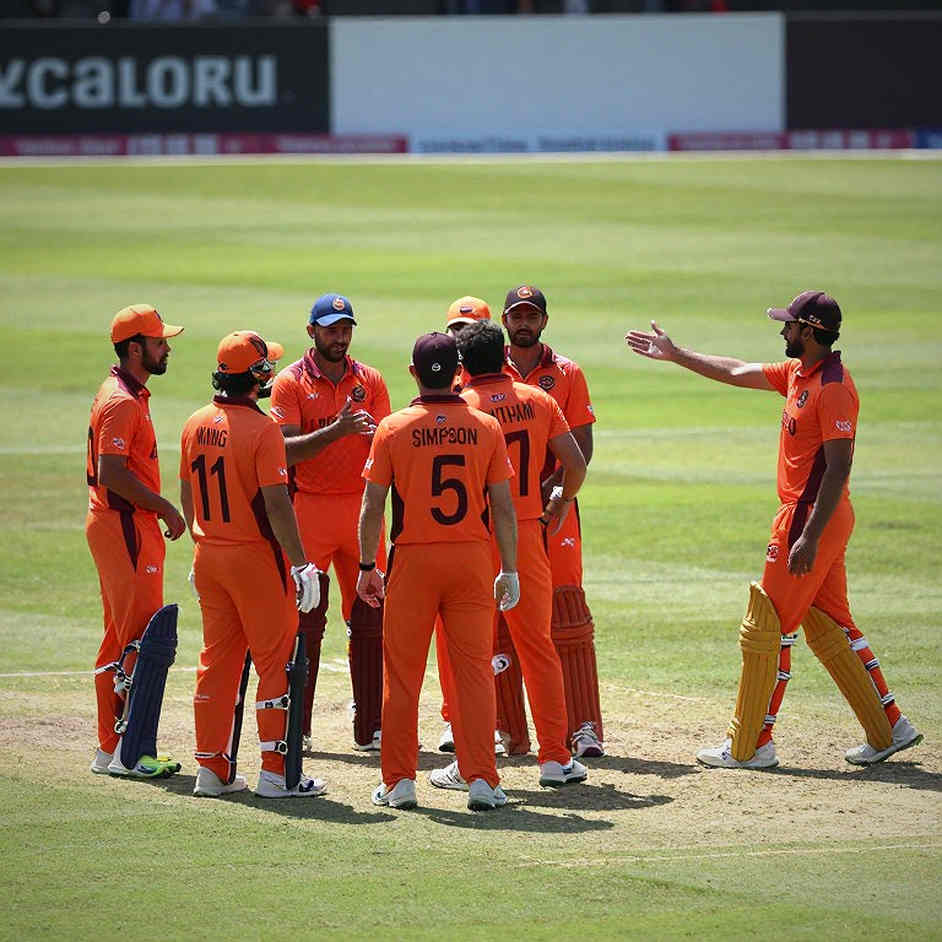
They chose the second path, but with a strategic exception. In Tuesday's draft, more than 30 Pakistani cricketers were registered. The list included familiar names like Fakhar Zaman, Saim Ayub, Hasan Ali, Shan Masood, Abdullah Shafique, Faheem Ashraf, and Imad Wasim. None were picked. Kandahar Warriors' first pick in the platinum category was Mohammad Amir—a fast bowler from the same Pakistan, but who acquired British citizenship in May this year and was registered as a UK national in the draft.
This single fact clarifies the entire architecture of the story. The APL draft rules determined eligibility based on passport and nationality, not on birthplace or board registration. Thus, Amir's UK citizenship placed him outside the PCB's NOC regime. This mechanism can be called 'nationality arbitrage'—using citizenship to bypass a restriction binding his compatriots. This is not a moral judgment but a loophole in the system that saved one player's career while keeping the door shut for the other 30.
Kandahar Warriors bypassed Mohammad Nabi, Afghanistan's most experienced and popular T20 star, to pick Amir. Why not Nabi? The answer is clear: the franchise did not want a medium-quality pacer; they wanted someone guaranteed to be available. In Amir's case, that guarantee came from his British passport. Thus, in the draft's calculus, Amir's value was not just his bowling skill but his availability. This is a conscious risk-management strategy, common for new leagues.
Now, the question is: has the PCB recognised Amir's UK citizenship? This is the biggest uncertainty. Amir was registered as a UK national in the APL draft, but if the PCB believes he still requires an NOC, legal complications could arise in the future. So far, the PCB has said nothing officially. This is a temporary fix, not a permanent one. It is a relief for the Afghan league organisers but an uncomfortable reality for the rest of Pakistan's players.
There is a bigger danger lurking here that no one has yet brought into the open. More than 30 Pakistani players were registered in the draft—they had all prepared, they had expectations. But none were picked. This deprivation has financial and professional costs. A cricketer's career is short, and missing a league like this means not just missing a tournament but losing an opportunity to re-value oneself in the international market. Yet none of these players have spoken publicly. This might be due to fear or loyalty to the board. But silence does not mean no harm was done.
I believe the most important aspect of this event is that NOCs are no longer just a tool for managing player workload and rest; they have become an instrument of state diplomacy. When political tension between Pakistan and Afghanistan intensifies, its impact goes directly to players' livelihoods and careers. The PCB might argue it is protecting players and domestic commitments. But a pre-emptive blanket refusal of NOCs for a specific league, coupled with a backdrop of diplomatic tension, suggests it is more than workload management.
This is where Wasim Akram's decision becomes significant. He is not just a former captain; he is an influential figure in Pakistan cricket. When someone like him publicly defers to board policy and declines a lucrative offer, it reinforces the board's authority. In the future, if any player or coach wants to question the NOC regime, Akram's example will stand as a barrier. In other words, Akram's 'no' is not just a personal decision; it is an act of norm-strengthening.
However, there is a curious aspect here. While Pakistani players cannot play, Pakistan-origin coaches and ambassadors are joining the Afghan league. The appointments of Azhar Mahmood and Waqar Younis highlight this contradiction. This means the APL wants to use Pakistani stars for its marketing but does not want Pakistani players on the field. This is a split labour market: symbolic roles for Pakistanis are welcome, but playing roles are not. This division is not just about cricket; it is part of commercial strategy.
Now, is this whole event just about one league's draft? No. It will have a major impact on future franchise leagues' recruitment strategies. If NOC restrictions harden, leagues will increasingly lean towards players with dual nationality. This will make dual citizenship a major advantage. Meanwhile, those without that advantage will be left behind. This is a form of inequality that will raise questions about fairness in cricket.
Another aspect is: where did the PCB's decision originate? The announcement of not issuing NOCs came from anonymous sources, reported in the Pakistani media. No formal statement or notification was issued. This means the board is following a policy with no written basis. This reduces their accountability but increases uncertainty for players. This opacity is the biggest risk.
In my long career, I have seen that when the Pakistan Cricket Board makes a decision, it is often influenced by the political context. In 2026, while I was scraping data amid the monsoon rains in Sylhet, I understood that events off the field influence on-field outcomes in ways that are not always captured by statistics. This APL draft is no exception.
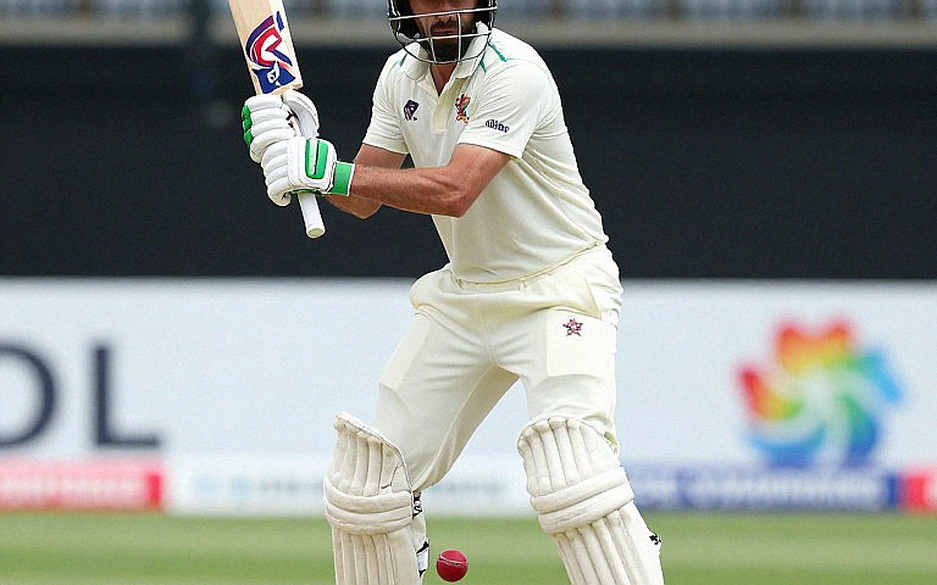
The biggest lesson from this event is that in international cricket, a player's fate now depends not just on their skill or form; it depends on their passport, their board's political stance, and international relations. For Mohammad Amir, a UK passport turned a red card green. But for the other 30, that card remains red.
I want to leave you with a question at the end of this piece: if more leagues follow this path in the future, will cricketers need an international organisation to speak out against NOC restrictions? Or will we accept that cricket is now a game of passports? Time will provide the answer, but until then, we must keep our eyes open.
I fast, I query, I publish. The data is the meal.